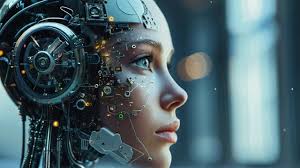

Artificial Intelligence (AI) is no longer a futuristic concept; it has become an integral part of our daily lives, transforming the way we work, communicate, and solve problems. From virtual assistants like Siri and Alexa to recommendation systems on streaming platforms and e-commerce sites, AI is everywhere, making processes faster, more efficient, and more personalized. In the workplace, AI-powered tools help automate repetitive tasks, analyze vast amounts of data, and generate insights that humans alone could not achieve. This increases productivity and allows professionals to focus on creative and strategic work. Beyond business, AI is revolutionizing sectors such as healthcare, where predictive algorithms assist in diagnosing diseases early, and education, where adaptive learning platforms provide customized learning experiences.
However, the rise of AI also raises ethical questions regarding privacy, job displacement, and decision-making transparency. It is crucial to balance technological advancement with responsible usage, ensuring that AI serves humanity rather than replaces or harms it. As AI continues to evolve, understanding its potential, limitations, and responsible application is essential for individuals, businesses, and governments alike. Embracing AI thoughtfully can lead to significant improvements in efficiency, quality of life, and innovation, making it one of the most transformative technologies of the modern era.
Leave a Reply